
Puppy Training Guide PDF: A Comprehensive Plan
Discover a wealth of resources! From housebreaking to advanced techniques, downloadable PDFs offer expert guidance for a well-behaved companion, solving 50+ problems.
Embarking on puppy training is an exciting journey, crucial for building a strong, lifelong bond with your new furry friend. A puppy training guide PDF serves as an invaluable resource, offering structured lessons and expert advice. These guides cover everything from early socialization and basic obedience to tackling common behavioral challenges.
Utilizing a PDF allows for convenient access to information, enabling you to learn at your own pace and revisit key concepts as needed. Remember consistency and positive reinforcement are paramount for success, shaping your puppy into a well-adjusted and happy member of your family.
Why Use a Puppy Training Guide PDF?
A puppy training guide PDF offers unparalleled convenience and accessibility. Unlike traditional classes, you can learn anytime, anywhere, revisiting sections as needed. These guides consolidate expert knowledge, covering socialization, obedience, and problem-solving – often including resources from organizations like the AKC and Dr. Dunbar.
Furthermore, PDFs are often free or low-cost, providing a budget-friendly training solution. They allow for personalized learning, adapting to your puppy’s unique pace and needs, ultimately fostering a stronger, more harmonious relationship.
Essential Supplies for Puppy Training
Successful puppy training necessitates more than just a puppy training guide PDF; it requires the right tools! High-value treats are crucial for positive reinforcement, alongside a clicker to mark desired behaviors precisely. A comfortable crate aids housebreaking and provides a safe space.
Essential are durable chew toys to redirect destructive behavior, a well-fitting collar and leash for walks, and cleaning supplies for inevitable accidents. Don’t forget puppy-safe cleaning solutions to eliminate odors effectively!
Phase 1: Early Socialization (8-16 Weeks)
This critical period, detailed in many a puppy training guide PDF, focuses on exposing your puppy to diverse sights, sounds, people, and safe dogs. Early socialization prevents fear and aggression later in life. Prioritize positive experiences – never force interactions.
Focus on controlled exposures, ensuring your puppy feels safe and comfortable. Puppy classes are invaluable, offering supervised socialization opportunities. Remember, a well-socialized puppy becomes a confident, well-adjusted adult dog!
Importance of Early Socialization
As highlighted in numerous puppy training guide PDFs, early socialization (8-16 weeks) is paramount for developing a well-adjusted dog. This period shapes their lifelong responses to novel stimuli. Lack of socialization can lead to fearfulness, anxiety, and even aggression.
Proper exposure builds confidence and resilience; A puppy accustomed to various experiences is less likely to react negatively to unfamiliar situations. Socialization isn’t just about other dogs; it’s about people, sounds, surfaces, and environments!
Safe Socialization Practices
Many puppy training guide PDFs emphasize prioritizing safety during socialization. Controlled, positive experiences are key. Avoid overwhelming your puppy with too much, too soon. Ensure all interactions are positive – never force a puppy into a situation they fear.
Seek out vaccinated, friendly adult dogs for playdates. Supervise interactions closely. Introduce new environments gradually, using treats and praise. A fearful puppy needs reassurance, not punishment. Positive reinforcement builds confidence and a secure attachment!
Phase 2: Basic Obedience Training
Numerous puppy training guide PDFs highlight the importance of early obedience. This phase focuses on foundational commands like sit, stay, come, and down. Consistency and positive reinforcement are crucial for success. Short, frequent training sessions are more effective than long, drawn-out ones.
AKC resources, often available as PDFs, detail step-by-step instructions. Remember to use high-value rewards to motivate your puppy. Patience is key; every puppy learns at their own pace. Building a strong bond through training is invaluable!
Sit Command Training
Many puppy training guide PDFs recommend luring your puppy into a sit position with a treat. Hold the reward near their nose and move it back over their head. As their rear touches the ground, say “Sit!” and reward immediately.
Repeat this process consistently, gradually phasing out the lure. Some guides suggest using a hand signal alongside the verbal cue. Keep sessions short and positive, ending on a successful note. Consistency is paramount for effective sit command training.
Stay Command Training
Numerous puppy training guide PDFs emphasize building “Stay” gradually. Begin with your puppy in a “Sit” or “Down” position. Say “Stay” firmly, and initially hold your hand up in a stop gesture for just a second or two.
Reward immediately if they remain in position. Slowly increase the duration of the stay, adding a few seconds at a time. Introduce distractions gradually. Remember, positive reinforcement and patience are key to successful stay command training.
Come Command Training
Many puppy training guide PDFs highlight the importance of a reliable “Come” command. Start in a quiet, enclosed space. Say your puppy’s name followed by “Come!” in a cheerful tone. As they approach, offer enthusiastic praise and a high-value reward.
Gradually increase the distance and introduce distractions. Never punish your puppy for coming to you, even if it took a while. Consistent positive reinforcement builds a strong recall, vital for safety.
Down Command Training
Numerous puppy training guide PDFs emphasize the “Down” command as foundational for calmness. Lure your puppy into a down position using a treat, moving it towards the floor. As they lie down, say “Down” and reward immediately with praise and the treat.
Gradually fade the lure, using just the hand signal and verbal cue. Practice in different locations and with increasing distractions. Consistency and positive reinforcement are key to success.
Phase 3: Housebreaking & Crate Training
Many puppy training guide PDFs detail a consistent schedule for housebreaking, emphasizing frequent potty breaks – immediately after waking, eating, and playing. Positive reinforcement is crucial; reward successful outdoor elimination instantly. Crate training, as outlined in these guides, focuses on creating a positive association with the crate.
Introduce the crate gradually with treats and toys, never as punishment. Address accidents calmly, cleaning thoroughly to eliminate odors and prevent repeat offenses.
Housebreaking Schedule & Techniques
Comprehensive puppy training guide PDFs advocate for a strict schedule: take your puppy out first thing, after every meal, after naps, after playtime, and before bedtime. Reward immediately with praise and treats upon successful elimination outdoors. Supervise constantly indoors, watching for signs like circling or sniffing.
Clean accidents thoroughly with enzymatic cleaners to remove odors. Avoid punishment; it can create fear and hinder progress. Consistency and patience are key to successful housebreaking.
Crate Training: Positive Association
Effective puppy training guide PDFs emphasize creating a positive crate experience. Introduce the crate gradually, making it a comfortable den. Feed meals inside, and toss in high-value treats and favorite toys. Never use the crate as punishment!
Start with short durations, gradually increasing the time your puppy spends inside. A cozy bed and familiar scents will aid in acceptance. Positive reinforcement builds a safe haven, reducing anxiety and promoting successful crate training.
Dealing with Accidents
A comprehensive puppy training guide PDF acknowledges accidents are inevitable. Avoid punishment; it creates fear and hinders progress. Clean accidents thoroughly with an enzymatic cleaner to eliminate odors, preventing repeat offenses.
Instead, focus on reinforcing successful potty breaks with praise and rewards. Closely monitor your puppy for cues indicating a need to go outside. Consistency and patience are key; setbacks are normal during the housebreaking process.
Addressing Common Puppy Problems
A valuable puppy training guide PDF will dedicate sections to typical challenges. Expect nipping, biting, chewing, and jumping – normal puppy behaviors. Redirect nipping with appropriate chew toys. Manage chewing by puppy-proofing and providing engaging alternatives.
Address jumping by ignoring the behavior and rewarding four-on-the-floor calmness. Understanding these issues and employing positive reinforcement techniques, as detailed in many guides, is crucial for a harmonious relationship.
Nipping and Biting

A comprehensive puppy training guide PDF acknowledges nipping and biting as exploratory behaviors. These actions aren’t aggression, but a way puppies learn about their environment. Redirect this behavior immediately with appropriate chew toys.
If your puppy nips, yelp loudly to mimic littermate feedback, then offer a toy. Consistent redirection teaches bite inhibition. Avoid punishment, as it can increase fear and anxiety, exacerbating the problem. Positive reinforcement is key!
Chewing & Destructive Behavior
A quality puppy training guide PDF will address chewing as a natural puppy behavior, driven by teething and exploration. Provide a variety of appropriate chew toys with differing textures. Puppy-proof your home by removing valuable items and securing electrical cords.
Redirect destructive chewing by offering a designated chew toy when you catch your puppy in the act. Ensure adequate mental and physical stimulation to reduce boredom. Consider puzzle toys to engage your puppy’s mind.
Jumping Up
A comprehensive puppy training guide PDF emphasizes ignoring jumping as the most effective response; any attention reinforces the behavior. Teach an alternative behavior, like “sit,” and reward when all four paws are on the ground. Consistent training is crucial – ensure everyone interacting with the puppy follows the same rules.
Manage the environment by preventing opportunities to jump, especially during greetings. Redirect with a toy or command. Avoid pushing the puppy down, as this can be perceived as play.
Positive Reinforcement Techniques
A puppy training guide PDF highlights positive reinforcement as the cornerstone of effective training. Reward desired behaviors immediately with treats, praise, or toys. Focus on what the puppy is doing right, rather than punishing mistakes. Clicker training, detailed in many guides, marks the exact moment of the correct behavior, enhancing clarity.
Use high-value rewards initially, then gradually fade them as the puppy masters the skill. Keep training sessions short, fun, and engaging to maintain motivation and build a strong bond.
Using Rewards Effectively

A puppy training guide PDF emphasizes tailoring rewards to your puppy’s preferences – some adore treats, others prefer toys or enthusiastic praise. Start with high-value rewards for new behaviors, ensuring immediate association. Vary the reward type to prevent boredom and maintain engagement.

Gradually reduce reward frequency as the puppy consistently performs the desired action, transitioning to intermittent reinforcement. Remember, timing is crucial; deliver the reward within seconds of the correct behavior for maximum impact.
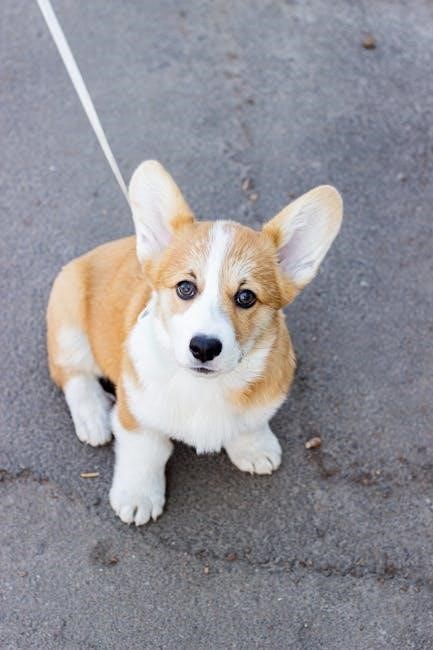
Many puppy training guide PDFs introduce clicker training as a precise method for marking desired behaviors. The clicker sound becomes associated with positive reinforcement, bridging the gap between action and reward. Initially, “charge” the clicker by pairing it with a treat – click, then immediately give a reward;
Once the association is made, use the clicker to pinpoint the exact moment your puppy performs the desired behavior, followed by a treat. This clarity enhances learning and communication.
Understanding Puppy Development
Comprehensive puppy training guide PDFs emphasize aligning training with developmental stages. Critical periods, like 8-16 weeks, are vital for socialization. Understanding puppy body language – play bows, whale eye, lip licking – helps interpret their emotional state.
Recognizing these cues prevents overwhelming your puppy and ensures positive experiences. Guides detail how cognitive and emotional development impact learning capacity, tailoring training approaches accordingly for optimal results.
Critical Developmental Stages
Puppy training guide PDFs highlight key stages: neonatal (0-2 weeks), transitional (3-16 days), socialization (8-16 weeks), and juvenile (3-6 months). The socialization phase is paramount, shaping future behavior.

Exposure to various sights, sounds, people, and environments during this period builds confidence. PDFs detail how missed opportunities can lead to fear or aggression. Early experiences profoundly impact a puppy’s temperament and trainability, making informed guidance essential.
Recognizing Puppy Body Language
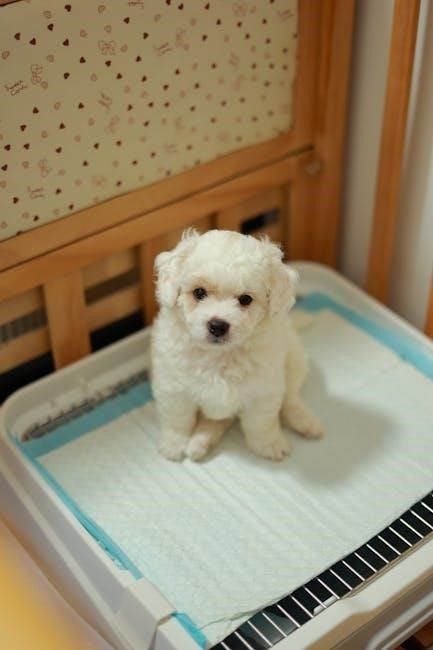
Puppy training guide PDFs emphasize understanding non-verbal cues. A relaxed puppy displays soft eyes, a loose body, and a wagging tail. Signs of stress include whale eye (whites of eyes showing), tucked tail, lip licking, and yawning.
Decoding these signals is crucial for effective training and preventing fear-based reactions. PDFs often include visual aids illustrating different body postures. Recognizing discomfort allows you to adjust your approach, fostering a positive learning environment and strengthening your bond.
Advanced Training Concepts
Puppy training guide PDFs often progress beyond basics to leash manners and recall. Mastering loose-leash walking prevents pulling, making walks enjoyable for both of you. Recall training, especially in distracting environments, is vital for safety and builds a strong bond.
Resources detail techniques like rewarding focus and gradually increasing distractions. PDFs may include troubleshooting tips for common challenges. Consistent practice and positive reinforcement are key to success in these advanced stages, solidifying your puppy’s obedience.
Leash Training & Walking Manners
Puppy training guide PDFs emphasize starting leash training indoors, associating the leash with positive experiences. Gradually introduce the leash and collar, rewarding calm acceptance. PDFs detail techniques for preventing pulling – changing direction when your puppy pulls, and rewarding loose-leash walking.
Consistent practice is crucial. Short, frequent sessions are more effective than long ones. Resources often suggest using high-value treats to motivate your puppy. A comfortable harness can also aid in preventing discomfort and encouraging good walking habits.
Recall Training in Distracting Environments
Puppy training guide PDFs highlight the importance of generalizing recall beyond a quiet room. Begin in a fenced area with minimal distractions, gradually increasing the challenge. Resources suggest using a long line for safety during initial outdoor sessions.
High-value rewards are essential when distractions are present. Practice recalls with increasing levels of excitement – a friend walking by, a ball rolling. PDFs often advise proofing the recall by adding distance and duration before releasing the reward.
Resources & Further Learning
Numerous puppy training guide PDFs are freely available online, offering comprehensive advice. The American Kennel Club (AKC) provides extensive training resources, including downloadable guides and articles, bolstering your knowledge.

Dr. Dunbar’s materials, often found in PDF format, are highly regarded for positive reinforcement techniques. Explore options like the “Train Your Puppy Right” book, accessible for download. Online, discover checklists, diet printables, and further PDF guides to enhance your training journey.
Recommended Puppy Training PDF Downloads
Explore free puppy training guide PDFs, including Dr. Dunbar’s acclaimed books offered in both PDF and audiobook formats – ideal for learning on any device. The AKC’s “Train Your Puppy Right” is a valuable resource, readily downloadable for comprehensive guidance.
Savannah Morgan’s basic guide for 8-16 week old puppies is also available. Seek out checklists for new puppies and dogs, alongside diet printables, to support a holistic approach to training and wellbeing. These PDF resources offer practical solutions!
American Kennel Club (AKC) Training Resources
The American Kennel Club provides extensive puppy training support, notably through their book, “Train Your Puppy Right,” available for full PDF download. This resource details effective methods for establishing good habits early on, covering essential obedience and socialization.
AKC resources emphasize positive reinforcement and offer guidance tailored to various breeds. Explore their website for articles, videos, and local training classes, complementing the downloadable PDF guide for a well-rounded training experience. Benefit from their expertise!
Dr. Dunbar’s Training Materials
Ian Dunbar offers invaluable resources for puppy training, including two best-selling books available in both PDF and audiobook formats. These materials focus on adolescent and adult dog behavior, providing a comprehensive understanding of canine learning and communication.
Dunbar’s approach emphasizes positive reinforcement and preventing problem behaviors. Access these resources to learn effective techniques for socialization, obedience, and addressing common challenges. His materials are ideal for owners seeking a science-based, practical puppy training guide.
Troubleshooting Training Challenges
Encountering roadblocks during puppy training is common. If progress stalls, reassess your methods – are rewards motivating enough? Is the environment too distracting? Ensure consistency and clarity in your commands.
Don’t hesitate to seek professional guidance from a certified dog trainer or veterinary behaviorist. They can identify underlying issues and tailor a plan to your puppy’s specific needs. Remember, patience and adaptability are key to overcoming training hurdles and building a strong bond.
What to Do When Training Isn’t Working
If your puppy isn’t responding, first simplify the task. Break down commands into smaller, achievable steps. Ensure you’re using high-value rewards that genuinely motivate your dog. Eliminate distractions and choose a quieter training environment.
Review the timing of your reinforcement; it must be immediate. If issues persist, consider consulting a professional trainer. They can pinpoint the problem and offer personalized solutions, ensuring a successful training journey for both you and your furry friend.
Seeking Professional Help
When facing persistent training challenges, a certified professional dog trainer can be invaluable. They offer objective assessments, identifying behavioral issues and tailoring solutions to your puppy’s specific needs. Look for trainers utilizing positive reinforcement methods, avoiding those advocating punishment-based techniques.
The American Kennel Club (AKC) provides resources for finding qualified trainers. Group classes offer socialization opportunities, while private lessons provide individualized attention. Don’t hesitate to invest in professional guidance for a harmonious relationship.
Creating a Training Schedule
A structured training schedule is paramount for success. Dedicate short, frequent sessions – 5-10 minutes several times daily – to maintain your puppy’s focus. Incorporate basic obedience, socialization exercises, and housebreaking reminders into the routine.
Consistency is absolutely key; adhere to the schedule as much as possible, even on busy days. A predictable routine reduces anxiety and accelerates learning. Remember to end each session positively, reinforcing desired behaviors with rewards and praise.
Daily Training Routine
Begin each day with a short obedience session, focusing on commands like “sit,” “stay,” and “come.” Integrate these into daily activities – ask for a “sit” before meals or leash attachment. Follow with a socialization opportunity, exposing your puppy to new sights, sounds, and people in a controlled manner.
End the day with a calming activity, like a gentle massage or puzzle toy, reinforcing positive associations. Short, consistent routines build confidence and strengthen the bond between you and your puppy, fostering a well-adjusted companion.
Consistency is Key
Maintaining a consistent approach is paramount for successful puppy training. Everyone interacting with the puppy must use the same commands and reinforcement methods to avoid confusion. Establish clear rules and boundaries, and enforce them consistently, regardless of the situation or who is present.
Inconsistent training sends mixed signals, hindering progress and potentially creating behavioral issues. Regular, short training sessions are more effective than infrequent, lengthy ones, solidifying learning and building a strong foundation.
The Role of Nutrition in Training
Proper nutrition fuels your puppy’s development and significantly impacts training success. A high-quality diet supports optimal brain function, enhancing learning and focus during training sessions. Treats, used as rewards, should be small, palatable, and contribute to the daily caloric intake.
Avoid overfeeding, as a full puppy is less motivated to work for treats. Consider the treat’s nutritional value; healthy options reinforce positive behavior without compromising health. A balanced diet lays the groundwork for a trainable and happy puppy.
Proper Diet for a Growing Puppy
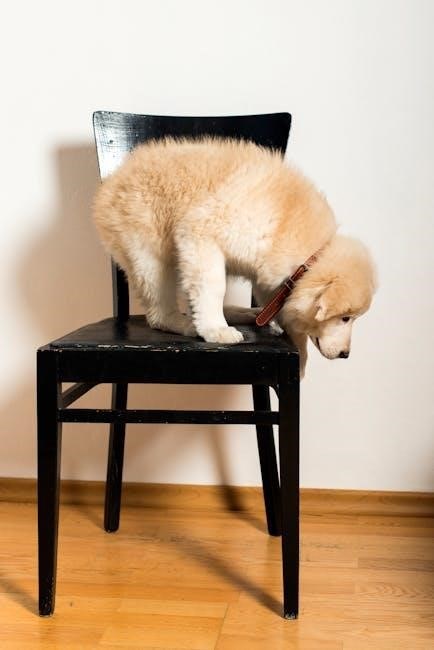
A growing puppy requires a nutrient-rich diet specifically formulated for their developmental stage. Look for puppy food with a balanced ratio of proteins, fats, and carbohydrates to support healthy growth and energy levels. Calcium and phosphorus are crucial for bone development, while DHA aids brain and vision.
Portion control is vital to prevent obesity and ensure optimal growth. Feed your puppy multiple small meals throughout the day, gradually reducing the frequency as they mature. Always provide fresh, clean water.
Treats as Training Tools
High-value treats are essential for positive reinforcement during puppy training. These should be small, soft, and incredibly appealing to your puppy – think tiny pieces of cooked chicken, cheese, or commercially available puppy training treats. Use them strategically to reward desired behaviors immediately.
Remember to factor treat calories into your puppy’s daily food allowance to prevent weight gain. Gradually reduce treat reliance as your puppy masters commands, transitioning to praise and affection as primary rewards.
Consistent training, guided by resources like comprehensive puppy training PDFs, isn’t just about obedience; it’s about forging an unbreakable bond with your furry friend. Through positive reinforcement and understanding their developmental stages, you’ll cultivate trust and mutual respect.
Embrace the journey, celebrate small victories, and remember that a well-trained puppy is a happy puppy – and a happy owner! Continued learning and adaptation will strengthen your connection for years to come.