
Manual conversions captivate drivers with enhanced control and engagement, though they represent a significant investment, potentially ranging from $1500 to $5000 or higher.
Why Choose a Manual Transmission?
The desire to switch from automatic to manual stems from a pursuit of a more connected driving experience. Enthusiasts often crave the direct control a manual transmission offers, fostering greater engagement with the vehicle. Beyond the feel, some drivers believe manuals can improve fuel economy, though this isn’t always guaranteed with modern automatics.
A manual swap allows personalization, tailoring the car to individual preferences. It’s about more than just shifting gears; it’s about feeling the road and having a more immersive experience. While complex and potentially costly, the rewards – a heightened sense of control and driving enjoyment – are significant for many automotive enthusiasts.
The Driving Experience: Control and Engagement
Converting to a manual transmission fundamentally alters the driving experience, placing the driver firmly in command. The ability to select gears directly provides a heightened sense of control, allowing for precise engine braking and acceleration. This direct connection fosters a more engaging and rewarding relationship with the vehicle, transforming mundane commutes into spirited drives.
The tactile feedback of the shifter and clutch pedal adds another layer of involvement, demanding active participation. It’s a more immersive experience, requiring skill and attention, ultimately leading to a greater sense of accomplishment and enjoyment behind the wheel.
Is a Conversion Right for You?
Deciding to swap an automatic for a manual transmission requires honest self-assessment. Consider your driving style – do you prioritize engagement and control, or convenience? The conversion is complex and costly, demanding significant time and potentially professional labor. It’s not a decision to take lightly.
Evaluate your mechanical aptitude and willingness to learn; ECU recoding and wiring modifications are essential, requiring specialized tools and knowledge. If you lack these skills, factor in professional fees. Ultimately, a manual swap is best suited for enthusiasts who value the driving experience above all else.

Assessing Your Vehicle’s Compatibility
Determining compatibility involves checking vehicle make, model, and engine specifications, alongside identifying suitable donor vehicles for necessary parts.
Vehicle Make and Model Considerations
Successfully converting an automatic to a manual transmission hinges significantly on your specific vehicle’s make and model. Certain vehicles present straightforward swaps with readily available parts and established procedures, while others pose substantial challenges. For example, a Jetta VR6, as mentioned, requires careful planning.
Compatibility isn’t universal; what works for one model year might not apply to another. Researching forums and communities dedicated to your vehicle is crucial. Identifying whether others have successfully completed the conversion provides valuable insight into potential hurdles and necessary modifications. Consider the availability of donor parts specific to your car’s configuration – this dramatically impacts both cost and complexity.
Engine Compatibility
Ensuring engine compatibility is paramount during an automatic-to-manual conversion. The engine’s output shaft must align with the chosen manual transmission’s input shaft. Mismatches necessitate adapter plates or custom machining, escalating costs and complexity. The VR6 engine, for instance, requires a transmission designed to handle its torque and power output.
Consider the engine’s management system. Some engines require ECU recalibration to function optimally with a manual transmission, adjusting parameters like fuel delivery and ignition timing. Verify that the selected transmission can physically fit within the engine bay without modifications to the vehicle’s structure. Thorough research prevents costly and frustrating compatibility issues.
Identifying Donor Vehicles
Locating a suitable donor vehicle is crucial for sourcing necessary components. Classifieds often list cars parted out, offering individual transmission assemblies, shifter mechanisms, and pedal assemblies. Prioritize vehicles with similar engine specifications to minimize adaptation challenges. A Jetta VR6 with a manual transmission serves as an ideal donor for a comparable automatic model.
Inspect donor vehicles carefully for signs of wear or damage. A well-maintained transmission is worth a premium. Document all parts acquired, creating a comprehensive inventory. Consider the donor’s location to factor in transportation costs. Thorough donor vehicle identification streamlines the conversion process.
Parts Required for the Swap
Essential components include the transmission, clutch kit, flywheel, shifter mechanism, linkages, and a complete pedal assembly for clutch and brake operation.
Transmission Itself
Sourcing the correct manual transmission is paramount for a successful swap. Compatibility with your vehicle’s engine and drivetrain is crucial; researching donor vehicles thoroughly is essential. Consider gear ratios – selecting a transmission with ratios suited to your driving style and vehicle’s purpose will maximize the benefits of the conversion.
Used transmissions from classifieds or salvage yards can offer cost savings, but require careful inspection for wear and damage. A rebuilt transmission provides increased reliability, albeit at a higher price point. Ensure the transmission includes all necessary mounting hardware and potentially the driveshaft flange, as these may differ from your automatic setup. Thoroughly verify the transmission’s condition before purchase to avoid future complications.
Clutch Kit (Disc, Pressure Plate, Throwout Bearing)
A new clutch kit is non-negotiable during a manual swap; reusing the old components is highly discouraged. The kit comprises the clutch disc, pressure plate, and throwout bearing – all working in unison for smooth gear changes. Selecting the correct kit, matched to your transmission and engine’s torque capacity, is vital.
Consider your driving style; a heavy-duty clutch is beneficial for performance applications, while a lighter-duty kit suits daily driving. Ensure the kit includes a pilot bearing or bushing, essential for supporting the transmission input shaft. Quality brands offer superior durability and performance, justifying the investment. Proper installation, following torque specifications, is critical for longevity.
Flywheel
The flywheel is a crucial component when transitioning from automatic to manual, as automatic transmissions don’t utilize one. You’ll need a flywheel specifically designed for your engine and the chosen manual transmission. Flywheel weight impacts engine responsiveness; lighter flywheels offer quicker revs, ideal for performance, while heavier ones provide smoother low-speed driving.
Dual-mass flywheels (DMFs) reduce vibrations but are more expensive. A single-mass flywheel (SMF) is a cost-effective alternative, though it may transmit more vibration. Ensure the flywheel is balanced to prevent vibrations and premature bearing wear. Inspect the flywheel surface for damage before installation, and replace it if necessary.
Shifter Mechanism and Linkages
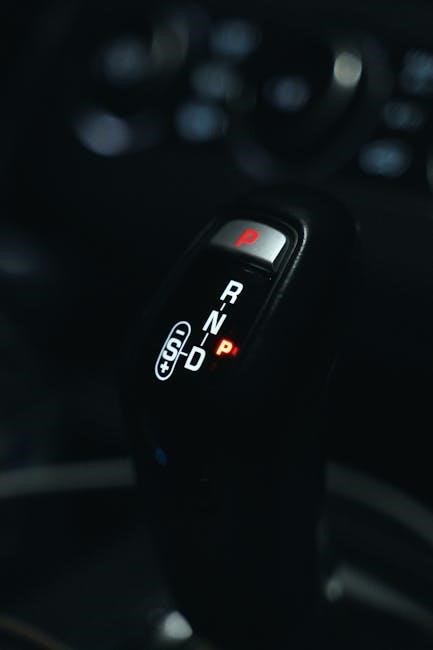
A complete shifter mechanism is essential for a manual conversion, encompassing the shifter itself, cables or linkages, and associated hardware. The shifter type (short throw, extended) impacts feel and throw length. Linkages connect the shifter to the transmission, translating driver input into gear changes.
Ensure compatibility between the shifter, linkages, and transmission. Some conversions require custom fabrication or modification of existing components. Proper adjustment of the linkages is critical for accurate gear selection. Inspect all components for wear or damage before installation, replacing as needed. A worn shifter or linkage can result in imprecise shifting.
Pedal Assembly (Clutch, Brake)
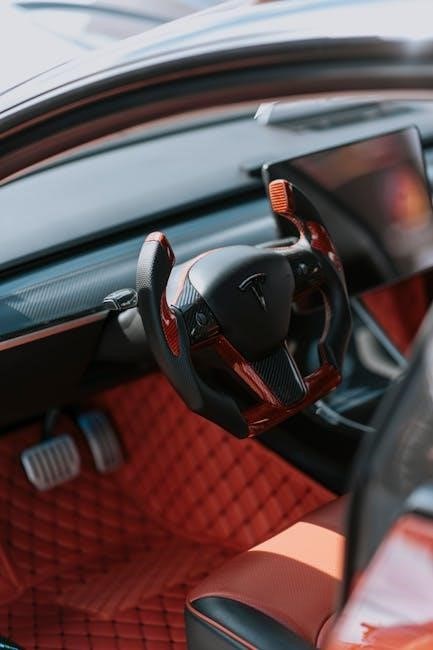
Converting from automatic necessitates a complete pedal assembly overhaul, introducing a clutch pedal where none existed before. Sourcing a compatible pedal assembly from a manual-transmission donor vehicle is often the most straightforward approach. Alternatively, aftermarket pedal assemblies designed for conversions are available.
Installation requires careful attention to mounting points and proper alignment. The brake pedal may also need replacement or modification to ensure correct positioning. Hydraulic clutch systems require lines and a master cylinder. Thoroughly bleed the hydraulic system after installation to guarantee proper clutch engagement. Verify pedal travel and feel before driving.
Estimated Costs: A Breakdown
Conversion expenses vary widely, encompassing parts like the transmission and clutch, alongside potential labor fees, and unforeseen expenses for fluids and hardware.
Parts Costs (Transmission, Clutch, etc.)
The core expense lies within the manual transmission itself, with prices fluctuating based on condition, source (new, used, rebuilt), and specific model. A quality clutch kit – encompassing the disc, pressure plate, and throwout bearing – is crucial, typically costing between $300 and $800. Don’t overlook the flywheel; a new or resurfaced unit is essential for proper clutch operation, adding another $200-$500.

The shifter mechanism and associated linkages represent a further investment, potentially ranging from $150 to $400 depending on complexity. Finally, a complete pedal assembly, including the clutch pedal, can add $200 to $600 to the parts total. Sourcing parts from donor vehicles or classifieds can significantly reduce overall costs, but careful inspection is paramount.
Labor Costs (Professional Installation)
Professional installation significantly impacts the overall cost, demanding skilled technicians familiar with this complex conversion. Expect labor charges to range considerably, typically between $800 and $2000, contingent upon the shop’s hourly rate and the vehicle’s specific make and model. The complexity of wiring modifications and ECU recoding further influences labor time.
Some shops may quote a flat rate, while others bill hourly. Thoroughly discuss the scope of work and obtain a detailed estimate before commencing the project. Remember that unforeseen issues during the swap can lead to additional labor costs, so budgeting for contingencies is prudent.
Additional Expenses (Fluids, Hardware)
Beyond the core components and labor, several supplementary expenses contribute to the total cost of a manual swap. These include new fluids – transmission oil, brake fluid (due to pedal assembly changes), and potentially coolant if lines are disturbed. Expect to spend around $100-$300 on fluids.
Hardware like new bolts, nuts, and potentially a new exhaust component to accommodate the driveshaft may be necessary, adding another $50-$200. Don’t forget smaller items like zip ties, electrical connectors, and potentially a new speedometer cable or adapter. Budgeting $200-$500 for these extras is advisable.

The Conversion Process: A Step-by-Step Overview
The swap involves removing the automatic transmission, installing the manual, and meticulously connecting the clutch and shifter mechanisms for optimal functionality.
Removing the Automatic Transmission
Begin by safely disconnecting the battery to prevent electrical shorts. Drain all transmission fluid, ensuring proper disposal methods are followed. Support the engine from above, as removing the transmission will leave it unsupported. Disconnect all linkages – shift cables, driveshaft, and any electrical connectors attached to the transmission.
Next, remove the exhaust components obstructing access. Unbolt the transmission mounts, carefully lowering the transmission using a transmission jack. This step requires patience and attention to detail to avoid damaging surrounding components. Once lowered, fully disconnect any remaining lines or connections, preparing the vehicle for the manual transmission installation.
Installing the Manual Transmission
Carefully position the manual transmission using a transmission jack, aligning it with the engine’s mounting points. Gently raise the transmission until it’s flush against the engine, ensuring proper alignment to avoid damaging the input shaft. Securely bolt the transmission to the engine, tightening the bolts to the manufacturer’s specified torque.
Reinstall the transmission mounts, providing stable support. Reconnect the driveshaft, ensuring proper alignment and securing it firmly. Begin reconnecting any previously disconnected electrical connectors and lines. Double-check all connections for security before proceeding, verifying everything is properly installed and tightened.
Connecting the Clutch and Shifter
Install the clutch disc, ensuring correct orientation, then carefully mount the pressure plate and tighten the bolts in a star pattern to the specified torque. Connect the throwout bearing to the clutch fork, verifying smooth operation. Install the shifter mechanism, connecting the linkages to the transmission, and adjust for precise gear selection.
Proper adjustment of the clutch cable or hydraulic system is crucial for smooth engagement and disengagement. Test the shifter’s movement through all gears, confirming it operates freely and accurately. Double-check all connections and adjustments before proceeding, ensuring a reliable and enjoyable driving experience.
ECU Recoding and Wiring Modifications
ECU recoding is essential post-swap, utilizing tools like VAG-COM to recognize the manual transmission and disable automatic-related functions.
The Need for ECU Recoding
Following a manual transmission swap, the vehicle’s ECU (Engine Control Unit) requires recoding to properly communicate with the new gearbox. The original programming is configured for an automatic transmission, leading to various operational issues if left unaddressed. These can include incorrect sensor readings, transmission warning lights, and potentially even driveability problems.
Recoding essentially informs the ECU that a manual transmission is now installed, enabling it to interpret signals correctly and manage engine functions accordingly. This process often involves disabling features specific to the automatic, such as torque converter control. Without this crucial step, the swap will not function optimally, and the vehicle may experience reduced performance or even mechanical damage.
VAG-COM or Similar Tools
For Volkswagen and Audi group vehicles, VAG-COM (now known as VCDS – VCDS Diagnostic System) is the primary tool used for ECU recoding after a manual transmission swap. This diagnostic interface allows access to various control modules within the car, enabling technicians to modify settings and parameters. Similar tools exist for other manufacturers, offering comparable functionality.
Using VAG-COM, specific modules, such as the engine control module and instrument cluster, are reprogrammed to reflect the manual transmission configuration. This involves changing coding values to disable automatic transmission-related functions and enable those relevant to a manual gearbox. Proper use requires knowledge of the correct coding blocks and procedures, often found in online forums or repair manuals.
Wiring Harness Adaptations
Converting from automatic to manual often necessitates modifications to the vehicle’s wiring harness. The automatic transmission has sensors and solenoids that a manual transmission doesn’t require, and vice versa. These unused wires must be properly terminated to prevent electrical issues.
Conversely, the manual transmission requires connections for components like the reverse light switch and potentially a speed sensor. Adapting the harness involves identifying these wires, splicing them correctly, and ensuring secure connections. Careful attention to wiring diagrams is crucial; Some vehicles may require adding wires or modifying existing ones for full functionality, demanding a solid understanding of automotive electrical systems.
Potential Challenges and Troubleshooting
Sourcing compatible parts, resolving ECU issues, and addressing mechanical fitment problems are common hurdles during an automatic-to-manual conversion process.
Finding Compatible Parts
Locating the correct components for an automatic-to-manual swap can be surprisingly complex. Searching classifieds for donor cars or individual parts is a common starting point, but ensuring compatibility is crucial. Beyond the transmission itself, a complete clutch kit – including the disc, pressure plate, and throwout bearing – is essential.
A compatible flywheel is also needed, alongside the entire shifter mechanism and associated linkages. Don’t overlook the pedal assembly; you’ll require a clutch pedal in addition to the existing brake. Thorough research, verifying part numbers, and potentially consulting with experienced enthusiasts are vital steps to avoid costly mistakes and ensure a successful conversion.
Dealing with ECU Issues
Post-swap, the Engine Control Unit (ECU) often requires recoding to recognize and properly manage the manual transmission. This is because the ECU expects signals from an automatic gearbox that are no longer present. Tools like VAG-COM (or similar diagnostic software) are essential for this process, allowing you to adjust settings and disable automatic transmission-related functions.
Expect potential challenges; incorrect coding can lead to various driveability problems. Thorough research and careful execution are paramount. If you’re unfamiliar with ECU modifications, professional assistance is highly recommended to avoid damaging the ECU or creating further complications.
Mechanical Fitment Problems
Despite careful planning, mechanical fitment issues can arise during a manual swap. Variations in component manufacturing, or differences between donor and recipient vehicles, can cause challenges. Expect potential issues with the shifter linkages aligning correctly, or the clutch cable/hydraulic line routing.
The pedal assembly might require modifications to ensure proper placement and operation. Exhaust systems may need adjustments to accommodate the new transmission. Be prepared to address these issues with fabrication, shimming, or component adjustments. Patience and a flexible approach are crucial for overcoming these hurdles.

Is It Worth the Investment?
Carefully weigh the substantial costs against the benefits of increased driving enjoyment and control; consider potential impacts on resale value too.
Weighing the Costs vs. Benefits
Embarking on a manual transmission swap demands a thorough cost-benefit analysis. Financially, the project can range from $1500 to upwards of $5000, factoring in parts, labor, and potential ECU recoding. However, the rewards extend beyond mere monetary value. A manual transmission offers a dramatically improved driving experience, fostering a deeper connection between driver and machine.
This heightened control translates to greater engagement and enjoyment, particularly for enthusiasts. While resale value isn’t guaranteed to fully recoup the investment, the enhanced driving dynamics can be a significant selling point for the right buyer. Ultimately, the decision hinges on prioritizing driving pleasure versus financial prudence.
Considering Resale Value
Evaluating the impact of a manual swap on resale value is crucial. While a manual transmission is desirable to many enthusiasts, it doesn’t universally increase a vehicle’s market price. Some buyers specifically seek automatics, potentially limiting your pool of potential purchasers. The investment may not be fully recovered, especially if the conversion isn’t professionally documented or utilizes high-quality components.
Transparency is key; clearly disclose the modification to prospective buyers. A well-executed swap with meticulous records could attract a premium from the right individual, but anticipate a potentially neutral or even slightly negative impact on overall resale value.
Long-Term Maintenance
Post-conversion, anticipate a shift in maintenance requirements. Manual transmissions generally require less frequent fluid changes than automatics, but clutch replacements are a recurring expense – typically every 50,000 to 100,000 miles, depending on driving habits. Regularly inspect shifter linkages and the clutch master/slave cylinders for leaks or wear.
Ensure the ECU recoding was performed correctly to avoid potential transmission or engine management issues. A properly maintained manual transmission is reliable, but neglecting these areas can lead to costly repairs down the line. Proactive maintenance is vital for a smooth, long-lasting driving experience.